

5 Signs You Need Better Energy Management
Dec 31st 2025
Feeling drained, unfocused, or overly reliant on coffee? These are signs your energy management might need a serious upgrade. Entrepreneurs often ignore the subtle red flags until they hit burnout. Here’s the deal: your energy fuels your decisions, leadership, and relationships. If you’re running on fumes, it’s time to course-correct.
Key Signs You’re Struggling with Energy Management:
- Midday Fatigue: The 2 PM crash isn’t normal - it’s a sign your body’s out of sync.
- Caffeine Dependency: If you need multiple cups to function, your energy strategy is failing.
- Focus Issues: High-pressure moments leaving you mentally foggy? That’s a problem.
- Mood Swings: Low energy makes you reactive and emotionally unstable.
- Cognitive Decline: Memory lapses and slow thinking signal your brain is under-fueled.
Quick Fixes to Recharge:
- Basics First: Sleep 7–8 hours, stay hydrated, and eat balanced meals.
- Move More: Short walks or stretches can reset your energy.
- Natural Boosts: Try Lion’s Mane, Kava, or L-Theanine for steady focus and calm.
Energy isn’t just about surviving your day - it’s about thriving in your career and personal life. Don’t wait for burnout. Start small, and build habits that keep you sharp and steady.
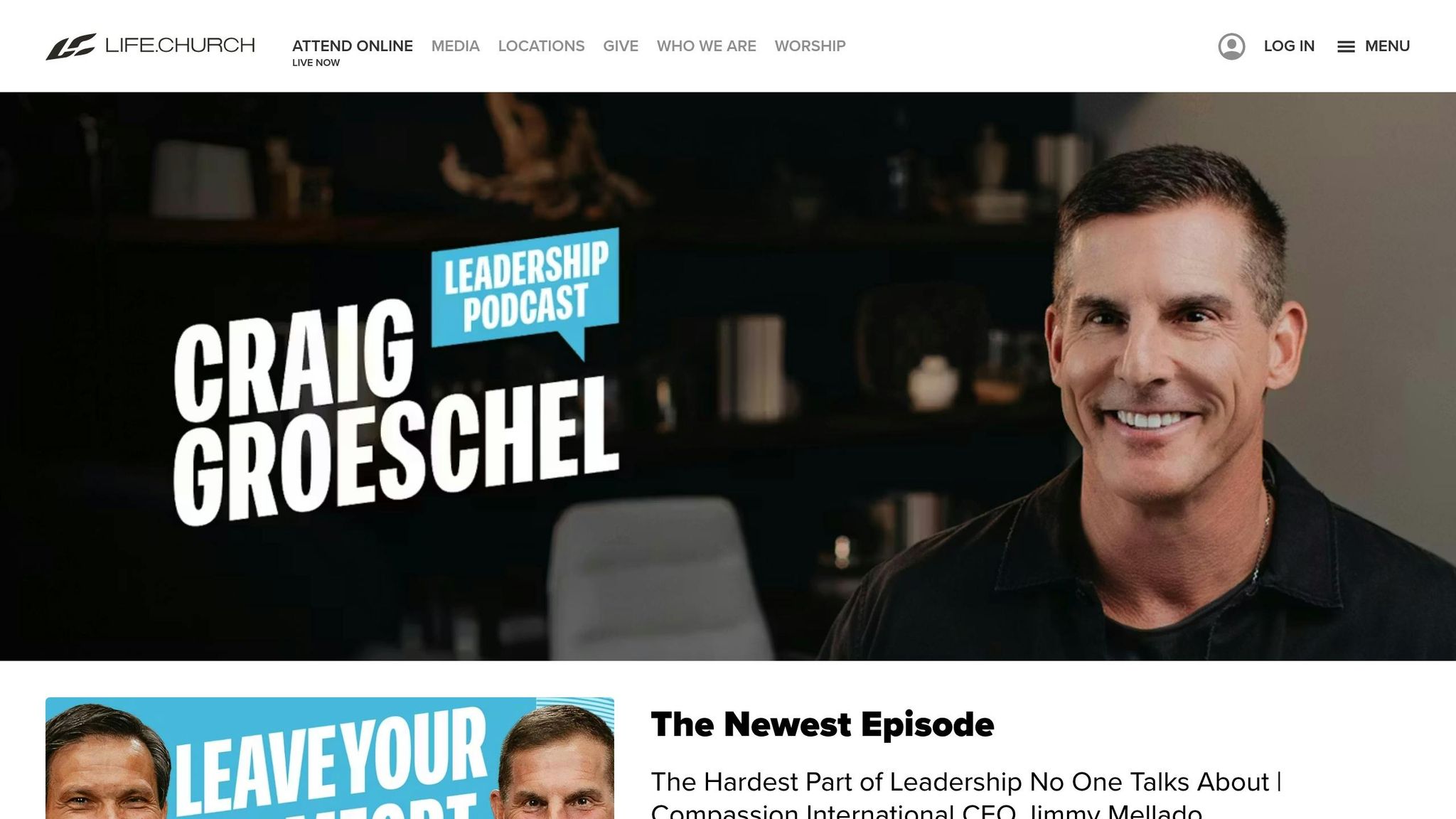
The Art of Energy Management - Craig Groeschel Leadership Podcast
Sign 1: Persistent Midday Fatigue and Energy Crashes
That dreaded 2:00 PM slump - it’s a telltale sign your energy management is out of sync.
Midday fatigue often comes from a mix of chaotic cortisol levels (thanks to chronic stress) and unstable blood sugar caused by skipping meals or relying on sugary snacks. Add to that the endless screen time, back-to-back meetings, and packed schedules, and it’s no wonder energy crashes hit hard.
The Business Cost of Energy Crashes
Fatigue doesn’t just slow you down - it can derail your business. Research shows nearly one-third of entrepreneurs battle burnout, with 64% admitting their stress levels are higher than they were two years ago. When fatigue takes over, quick decision-making falters, productivity dips, and opportunities slip through the cracks. Worse, the exhaustion can chip away at the passion that got you started, putting your business at risk. If you’re constantly running on empty, it’s time to rethink how you manage your energy.
How to Keep Energy Levels Steady
The first step? Pay attention to your body. Feeling your heart race, breathing shallow, or dealing with headaches and dizziness? That’s your cue to pause. Rehydrate, grab a protein-packed snack, or stretch it out for a few minutes.
To keep energy steady throughout the day, focus on the basics:
- Hydration and balanced meals: Stick to protein-rich options and avoid the sugar rollercoaster.
- Movement breaks: Step away from your desk regularly. Even a quick 20-minute walk can recharge you.
- Adaptogens for stress: These can help balance cortisol levels if that’s part of the issue.
- Sleep: Get 7 to 8 hours of quality rest every night.
Also, structure your day around your natural energy rhythms. Tackle big, demanding tasks when you’re most alert and save less critical work for when your energy dips. By combining immediate fixes with smarter habits, you can stay sharp, focused, and in control of your business momentum.
Sign 2: Over-Reliance on Caffeine and Stimulants
If you find yourself needing multiple cups of coffee or energy drinks just to get through the morning, it might be time to rethink your relationship with caffeine.
What starts as a morning pick-me-up can quickly spiral into a dependency. As your tolerance builds, you may find yourself needing more and more caffeine to feel the same level of alertness. The problem? That quick energy boost often comes with a crash, leaving you feeling drained and less productive as the day goes on.
Let’s take a closer look at how too much caffeine impacts your energy and explore some natural ways to stay sharp without the rollercoaster.
The Downside of Too Much Caffeine
Caffeine can be a lifesaver when you’re dragging, but overdoing it has its drawbacks. While it temporarily fights off fatigue, it can lead to energy swings and even mess with your sleep. Those late-night tossing-and-turning sessions? They might just be the result of that 4 p.m. coffee.
Smarter Alternatives to Caffeine
The good news? You don’t have to rely solely on caffeine to stay energized. There are natural options that provide steady, long-lasting energy without the spikes and crashes:
- L-Theanine: Found in tea, this amino acid promotes calm focus and helps smooth out the jittery effects of caffeine. It’s especially helpful if you’re cutting back gradually.
- Lion’s Mane Mushroom: Known for supporting mental clarity and focus, this option keeps your brain sharp without the caffeine buzz.
- Kava: A natural choice for managing stress and staying composed, even when the pressure’s on.
- Whole Leaf Kratom: Offers a balanced boost in alertness and motivation, without the wild ups and downs caffeine can bring.
Pairing these alternatives with healthy habits - like eating balanced meals, staying hydrated, and taking regular breaks - can help you maintain consistent energy throughout the day. You don’t have to quit caffeine cold turkey, either. Try swapping out one caffeinated drink for a natural option and see how it affects your energy over a week or two. Small changes can make a big difference.
Sign 3: Difficulty Focusing During High-Pressure Moments
You’ve spent weeks preparing. The presentation is polished, the numbers check out, and you’ve rehearsed your pitch until it’s second nature. But when it’s time to deliver - whether in a packed conference room or on a crucial Zoom call - your focus starts to slip. Words that flowed effortlessly during practice now feel clunky, and your concentration wavers when you need it most.
This isn’t just nerves - it’s a sign your energy reserves aren’t where they need to be. Without proper physical and mental fuel, high-pressure situations can feel like climbing a mountain in a fog. That mental haze doesn’t just make the moment harder; it can cost you opportunities, damage your credibility, and ripple into your everyday decision-making.
How Poor Focus Impacts Professional Performance
When focus falters during critical moments, the fallout isn’t just immediate - it can follow you. Struggling to articulate your vision in an investor meeting or missing crucial details in a negotiation can lead to lost deals and missed chances. And it’s not just the big moments; focus lapses during routine tasks - like reviewing contracts or catching subtle client feedback - add up over time, quietly chipping away at your professional edge.
Stress makes it worse. High-pressure situations spike cortisol levels, which can sabotage executive functions like memory and strategic thinking. Even the sharpest minds can make baffling decisions when stress takes over. Add in mental fatigue from poor sleep, inconsistent energy levels, or overreliance on stimulants, and your brain might already be running on fumes before you even step into the spotlight.
Natural Ways to Sharpen Your Mental Edge
If this sounds all too familiar, there’s good news: you don’t need to rely on pharmaceuticals or extreme measures to regain focus. Natural solutions like adaptogens and nootropics can help bolster cognitive resilience, offering a sustainable way to stay sharp under pressure.
Lion’s Mane Mushroom is a standout for mental clarity. Known for its ability to support nerve growth factor production, it helps maintain healthy brain function over time. Unlike quick fixes like caffeine, which come with a crash, Lion’s Mane builds a stronger foundation for focus and memory. Many professionals find it helps them stay present and access information more fluidly in high-stakes situations.
Rhodiola is another powerful tool in your arsenal. This adaptogen can help your body manage stress by balancing cortisol levels, keeping your mind clear and steady during presentations, negotiations, or marathon work sessions.
Kava offers a calming effect, helping to ease anxiety without dulling your mental sharpness.
L-Theanine, often paired with caffeine, smooths out stress-induced jitters while enhancing focus and alertness.
Of course, supplements alone aren’t enough. Pair them with practical habits: practice deep breathing before stressful moments, eat balanced meals to avoid blood sugar crashes, and stay hydrated - dehydration, even slight, can drag down cognitive performance.
Building mental resilience isn’t about quick fixes; it’s about creating a steady, reliable foundation for your brain to thrive. By combining natural supports with smart habits, you can stay sharp and composed when it matters most.
Sign 4: Mood Swings and Reduced Stress Resilience
When your energy is out of sync, it’s not just your focus that suffers - your emotions take a hit too. One moment, you’re snapping at your team over a minor scheduling hiccup, and the next, you’re apologizing. By mid-afternoon, a small setback - like a delayed shipment or a last-minute client request - feels like the world is caving in. These aren’t personal failings; they’re red flags that your energy reserves are running on fumes.
Low energy - whether it’s from poor sleep, erratic eating habits, or chronic stress - makes it harder to keep your emotions in check. You become more reactive, stuck in a cycle where even small stressors feel monumental. For entrepreneurs balancing investor calls, team dynamics, and family responsibilities, this emotional rollercoaster can strain relationships and chip away at leadership credibility.
How Energy Levels Shape Mood and Stress
When your energy dips, your brain prioritizes survival over emotional control. The prefrontal cortex, responsible for rational thinking and emotional regulation, needs a steady energy supply to function. When that supply runs low, your brain’s alarm system kicks into overdrive, leaving you impulsive and overly reactive. This also disrupts serotonin and dopamine production - neurotransmitters crucial for mood stability. Blood sugar swings add fuel to the fire, leaving you calm one moment and anxious the next, even if nothing around you has changed.
These fluctuations don’t just feel bad - they have real consequences. Leaders who can’t regulate their emotions struggle to inspire trust and confidence. Investors notice when you seem frazzled during a pitch. Clients pick up on irritability during negotiations. And at home, your family often bears the brunt of what little emotional energy you have left after a demanding day.
Chronic stress compounds the issue. Elevated cortisol levels disrupt your sleep, creating a vicious cycle: low energy weakens your ability to manage stress, which drains your energy further, making stress even harder to handle. Over time, your resilience - the ability to recover from setbacks - can erode entirely.
Botanicals to Support Emotional Stability
To regain balance, certain botanicals can help restore emotional steadiness by supporting your body’s stress response and energy systems:
- Ashwagandha: This well-researched adaptogen helps regulate cortisol levels, preventing the spikes that wreak havoc on mood and energy. By supporting the hypothalamic-pituitary-adrenal (HPA) axis - the body’s stress control center - it helps you stay calm under pressure without dulling your mental edge. Many professionals find it smooths emotional highs and lows, making daily stress feel more manageable.
- Holy Basil (Tulsi): Known for its calming effects, Holy Basil helps regulate cortisol and promotes a state of relaxed focus. Unlike sedatives, it doesn’t make you drowsy but instead supports a balanced nervous system, keeping you alert yet calm - ideal for high-pressure environments.
- Whole Leaf Kratom: Traditionally used to support mood and stress resilience, whole leaf kratom offers a range of effects depending on the strain. Many users report feeling more emotionally stable and better equipped to handle pressure without feeling overwhelmed.
- Kava: As mentioned earlier, kava’s soothing properties help ease anxiety without clouding your mind. It’s particularly useful for maintaining composure in tense situations. The key is finding the right dose to calm your nerves without affecting your alertness.
- Magnesium: While not a botanical, magnesium plays a critical role in neurotransmitter function and stress regulation. Many people are deficient in this mineral, and supplementing with forms like magnesium glycinate or threonate can stabilize mood and improve stress resilience, especially when paired with adaptogens.
These botanicals work best when combined with foundational habits: eating balanced meals at regular intervals to stabilize blood sugar, getting enough protein to support neurotransmitter production, and staying physically active to process stress hormones. If you notice yourself becoming more reactive or emotionally fragile, it’s often a sign that one of these basics has been neglected.
Restoring emotional resilience isn’t an overnight fix. These tools take time to rebuild your capacity to handle stress sustainably. With a few weeks of consistent use - and a focus on energy management basics - you’ll likely notice fewer emotional swings and a steadier sense of calm that serves you well in both your professional and personal life.
sbb-itb-02d64da
Sign 5: Declining Cognitive Performance and Memory Issues
Picture this: you walk into a meeting and suddenly can’t recall the name of a long-time client. Or maybe you find yourself rereading the same contract over and over, unable to process it. These moments aren’t about aging or losing your touch - they’re your brain waving a red flag, screaming for more fuel. Tasks that used to feel like second nature - comparing vendor quotes, prioritizing your day - now feel like trudging through quicksand. This mental fog is just as serious as physical exhaustion, signaling it’s time to rethink how you manage your energy.
Sharp cognitive performance isn’t optional - it’s the backbone of sound decision-making, creativity, and strategic planning. When your memory falters, you risk missing key details in emails, overlooking follow-ups, or rushing into poor decisions under pressure. And let’s face it, it’s frustrating. You remember the days when your mind was a machine - solving problems, juggling priorities, and powering through challenges. Now, you’re double-checking your own work, relying on sticky notes like a lifeline, and feeling like your edge is slipping. These changes are often rooted in deeper issues that can’t be ignored.
What Causes Cognitive Fatigue
Your brain, though just 2% of your body weight, hogs about 20% of your energy - especially the hippocampus, which handles memory. When energy levels drop, the brain struggles to get enough glucose and oxygen, leading to a cascade of issues. Memory formation is the first to suffer, followed by slower processing speeds and shaky decision-making.
Chronic stress, poor sleep, and inflammation all mess with your brain’s energy supply, making it harder to consolidate memories or process information. Even one bad night of sleep can throw off memory storage, and several nights of poor rest? That’s like trying to run a high-performance engine on fumes. Your prefrontal cortex - the part responsible for planning and problem-solving - shifts into "low-power mode", turning simple tasks into uphill battles. Keeping multiple ideas in your working memory becomes a struggle, and what used to be automatic now demands extra effort.
Nutrition also plays a huge role. Without enough B vitamins, omega-3s, and amino acids, your brain can’t function at full throttle. Skipping meals, living off processed junk, or even mild dehydration (just a 1-2% fluid loss) can leave your brain feeling like it’s running on a dying battery. Entrepreneurs, in particular, often grind through hours of back-to-back meetings or deep work, forgetting to hydrate or fuel up, unknowingly sabotaging their mental clarity.
When you notice your memory slipping or your thoughts slowing down, it’s a clear sign your brain needs better care. Prioritizing quality sleep, balanced nutrition, stress management, and hydration can make all the difference. Catching these signals early can stop small lapses from snowballing into chronic problems that derail your leadership and decision-making. Staying sharp isn’t just about survival - it’s about thriving where it matters most.
Natural Solutions for Better Energy Management
If you're constantly battling fatigue, leaning on caffeine to get through the day, or struggling with mental fog, it might be time to explore natural ways to recharge. Instead of quick fixes that leave you crashing later, these solutions aim to provide steady, balanced energy.
Traditional botanicals can help regulate your energy naturally, giving your body the support it needs without the rollercoaster of artificial highs and lows. The goal? To keep you sharp and resilient, no matter how packed your schedule gets.
Here’s a closer look at some natural ingredients that can help you manage energy more effectively:
- Kava: Promotes a sense of calm and helps manage stress, keeping you focused under pressure.
- Whole Leaf Kratom: Provides steady energy and motivation, making those long workdays more manageable.
- Lion’s Mane Mushroom: Boosts cognitive function, enhancing mental clarity and overall performance.
- L-Theanine: Encourages calm focus and steady concentration, helping you stay on track throughout the day.
Together, these ingredients tackle key aspects of energy management - from mental sharpness and stress resilience to maintaining motivation when it matters most.
How Founders Fuel Supports Entrepreneurs

For professionals who demand peak performance, Founders Fuel offers a clean, natural solution tailored to high-pressure workdays. This blend of Kava, Whole Leaf Kratom, Lion’s Mane Mushroom, and L-Theanine is designed to provide consistent energy and focus without compromising your health.
Each 2oz bottle delivers a carefully measured dose, with the Founders Circle subscription offering 12 bottles per month (24 servings) for $229 - less than $10 per serving. Produced in a GMP-certified facility, this premium formula is rigorously tested for purity and potency, ensuring you get professional-grade botanicals with no artificial additives.
Founders Fuel fits seamlessly into a healthy lifestyle, complementing essentials like good sleep, nutritious meals, and regular exercise. Whether you’re powering through back-to-back meetings, tackling critical projects, or making the most of family time, this natural solution helps you stay present and perform at your best.
Implementing Better Energy Management Practices
Natural supplements are meant to complement, not replace, the basics. Building consistent habits around sleep, nutrition, exercise, and stress management lays the foundation for maintaining energy in both work and life. From there, you can layer in daily routines that fuel your energy and support the benefits of natural solutions.
Daily Habits for Better Energy
As an entrepreneur, your daily habits have a direct impact on your energy levels and how you perform in business. Your body thrives on consistency. Start by optimizing your sleep - keep your room cool (65–68°F), dark, and free of screens. Fuel your brain with balanced meals that include protein, healthy fats, and fiber. Make movement a priority with 20–30 minutes of brisk exercise each day. When stress creeps in, reset your focus with simple techniques like deep breathing or spending a few minutes outdoors.
Once these habits become second nature, you can consider adding supplementation to further support your energy levels.
Combining Lifestyle Changes with Supplementation
After establishing a solid routine, some professionals choose to enhance their efforts with targeted supplementation. A high-quality liquid botanical supplement, made in a GMP-certified facility and rigorously tested, can work alongside your healthy habits to support energy management.
Consistency is key when incorporating supplements into your routine. Pairing clean, targeted supplementation with your daily practices helps sustain energy, keeping you sharp and resilient. Whether you're tackling a major project or enjoying downtime with loved ones, aligning healthy habits with supplementation can help you stay at your best - mentally and physically.
Conclusion
Energy management isn’t just a buzzword - it’s the backbone of thriving in both your career and personal life. When ignored, it can sabotage your biggest business deals and rob you of meaningful moments at home. If you’re noticing signs like constant fatigue or burnout creeping in, it’s a clear signal to make a change.
Here’s the truth: exhaustion isn’t the cost of ambition. By prioritizing your energy, you’re investing in both your long-term success and overall well-being. Start with the essentials - getting enough restful sleep, eating balanced meals, staying active, and managing stress effectively. Once you’ve nailed these basics, you can explore natural tools to take your energy management to the next level. Incorporating natural nootropics and botanicals into your routine can help you sustain peak mental and physical performance.
Whether you’re gearing up for a critical presentation, navigating a tight project deadline, or simply wanting to be present and engaged at home, managing your energy is non-negotiable. Your business deserves you at your sharpest, and your loved ones need you fully present.
For a reliable, clean energy boost, Founders Fuel offers a premium liquid botanical supplement crafted for high-achieving professionals. With a carefully selected blend of Kava, Whole Leaf Kratom, Lion's Mane Mushroom, and L-theanine - produced in a GMP-certified facility - it’s designed to enhance focus and clarity while complementing your sleep, diet, and exercise habits.
Don’t wait for burnout to take over. Take control of your energy now. Your performance, productivity, and quality of life are worth it.
FAQs
How can I understand my natural energy patterns to plan a more productive work schedule?
To figure out your natural energy patterns, spend a week paying attention to when you feel most awake and focused. Jot down your energy levels in a journal during the morning, afternoon, and evening. Over time, you’ll start noticing patterns - like when you’re most productive or when your energy tends to dip.
Once you pinpoint your peak energy times, schedule your most challenging tasks during those hours. Save less demanding activities, like answering emails or tidying up, for when your energy is lower. By syncing your schedule with your natural rhythms, you’ll likely get more done without feeling as drained.
How can I cut back on caffeine without losing focus and productivity?
Reducing your reliance on caffeine while staying productive doesn’t have to be a struggle. Start by cutting back gradually to sidestep withdrawal symptoms. For instance, swap out one cup of coffee each day for something caffeine-free, like herbal tea or decaf coffee.
To keep your energy up naturally, focus on habits that support your body’s needs. Stay hydrated, eat balanced meals packed with protein and healthy fats, and make sleep a priority. You might also consider natural options like botanicals, such as Kava or Whole Leaf Kratom, which some find helpful in maintaining steady energy without stimulants.
Adding movement to your day can also work wonders. A short walk or a few minutes of light stretching can refresh both your body and mind. These small adjustments can help you stay sharp and productive while gradually easing off caffeine.
What’s the difference between adaptogens and nootropics, and how can they help with stress and focus?
Adaptogens and nootropics are natural allies in supporting both mental and physical performance, though they tackle different aspects of well-being. Adaptogens help your body handle stress by regulating cortisol levels and building resilience, making them ideal for navigating everyday pressures. Meanwhile, nootropics are known for enhancing cognitive abilities like memory, focus, and mental clarity.
Combining the two can amplify their benefits. Adaptogens such as Ashwagandha or Rhodiola Rosea are excellent for reducing stress and boosting energy, while nootropics like L-Theanine or Bacopa Monnieri can enhance focus and productivity. Together, they offer a balanced approach to staying calm and laser-focused throughout your day.
